
A Lifespan Journey: Erik Erikson’s Stages of Psychosocial Development
Erik Erikson’s theory of psychosocial development offers a helpful framework for understanding how humans grow emotionally, relationally, and psychologically across the lifespan. Rather than focusing only on childhood, Erikson emphasized that development continues from infancy through late adulthood. Each stage presents a core psychosocial task or “crisis” that invites growth. How we navigate these stages can influence our sense of identity, relationships, and emotional well-being.
It’s important to remember that these stages are not rigid or linear. Many people revisit earlier stages during times of transition, stress, trauma, or change. Therapy often provides a space to rework unresolved stages with compassion and insight.
Below is an overview of each stage, along with reflection questions you can use for personal processing…
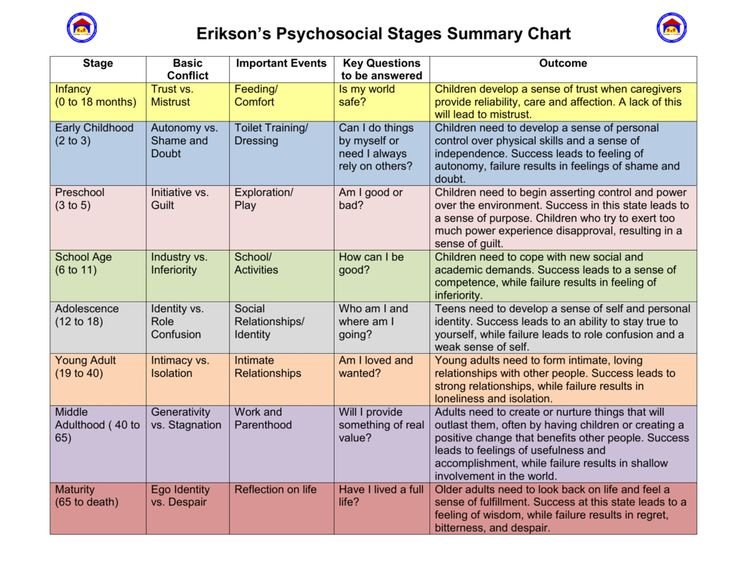
Stage 1: Trust vs. Mistrust (Infancy, Birth–18 months)
Core Question: Can I trust the world and the people in it?
During infancy, safety and consistency are formed through caregiving relationships. When caregivers are responsive and attuned, a child develops a basic sense of trust. When care is inconsistent, neglectful, or unsafe, mistrust may develop.
Healthy outcome: Hope, security, and trust in relationships
Reflection Questions:
When I need support, do I find it easy or difficult to rely on others?
How do I respond when I feel vulnerable or uncertain?
In what ways do I experience safety—emotionally, physically, spiritually?
Stage 2: Autonomy vs. Shame and Doubt (Toddlerhood, 1–3 years)
Core Question: Am I allowed to be myself and make choices?
At this stage, children begin asserting independence. Supportive guidance helps foster autonomy, while excessive criticism or control can lead to shame and self-doubt.
Healthy outcome: Confidence, self-control, and autonomy
Reflection Questions:
How comfortable am I making decisions for myself?
Do I struggle with guilt or shame when asserting my needs or boundaries?
Where in my life do I feel confident versus hesitant?
Stage 3: Initiative vs. Guilt (Early Childhood, 3–6 years)
Core Question: Is it okay for me to want, initiate, and pursue goals?
Children begin exploring, imagining, and initiating activities. Encouragement builds purpose, while discouragement or punishment for curiosity may lead to guilt.
Healthy outcome: Purpose, motivation, and initiative
Reflection Questions:
Do I feel empowered to pursue my goals and ideas?
How do I respond when I make mistakes?
Do I tend to minimize my desires or feel responsible for others’ emotions?
Stage 4: Industry vs. Inferiority (Middle Childhood, 6–12 years)
Core Question: Am I capable and competent?
This stage focuses on skill-building, learning, and comparison with peers. Positive reinforcement supports confidence, while repeated criticism or failure can foster feelings of inferiority.
Healthy outcome: Competence and pride in one’s abilities
Reflection Questions:
How do I view my abilities and accomplishments?
Am I overly self-critical or afraid of failure?
Where do I feel competent, and where do I feel “not enough”?
Stage 5: Identity vs. Role Confusion (Adolescence, 12–18 years)
Core Question: Who am I?
Adolescents explore values, beliefs, identity, and roles. Support for exploration leads to a strong sense of self, while pressure or invalidation can cause confusion.
Healthy outcome: Identity, fidelity, and self-awareness
Reflection Questions:
How would I describe my sense of identity today?
Do I feel aligned with my values, or conflicted?
Where have I shaped myself to fit others’ expectations?
Stage 6: Intimacy vs. Isolation (Young Adulthood, 18–40 years)
Core Question: Can I form close, meaningful relationships?
This stage centers on emotional intimacy, vulnerability, and connection. Fear of rejection or unresolved identity struggles may lead to isolation.
Healthy outcome: Love, connection, and mutual intimacy
Reflection Questions:
How comfortable am I with emotional closeness and vulnerability?
Do I tend to withdraw or overextend in relationships?
What does healthy connection look like for me?
Stage 7: Generativity vs. Stagnation (Middle Adulthood, 40–65 years)
Core Question: Am I contributing to something beyond myself?
Generativity involves nurturing others, contributing to work, family, or community, and creating meaning. Without this, individuals may feel stagnant or unfulfilled.
Healthy outcome: Purpose, contribution, and care for others
Reflection Questions:
In what ways do I give back or invest in others?
Do I feel a sense of purpose in my current season of life?
Where might I feel stuck or disconnected from meaning?
Stage 8: Integrity vs. Despair (Late Adulthood, 65+ years)
Core Question: Can I look back on my life with acceptance and peace?
This stage involves reflection on life experiences. Acceptance fosters wisdom and integrity, while regret may lead to despair.
Healthy outcome: Wisdom, acceptance, and peace
Reflection Questions:
How do I make sense of my life story so far?
Are there experiences I still grieve or feel unresolved about?
What brings me a sense of meaning, gratitude, or peace?
Erikson’s stages remind us that growth is lifelong. Struggles at any stage do not mean failure. They often point to areas inviting compassion, healing, and deeper understanding. Therapy, reflection, and supportive relationships can help revisit and integrate these stages in healthy ways.
If you notice certain stages resonating strongly or bringing up emotion, that awareness itself is a meaningful step toward growth.
